Gamal El-Din said the zone’s recent progress reflects years of reforms launched since 2015, with 2025 marking a “harvest year” for those efforts.
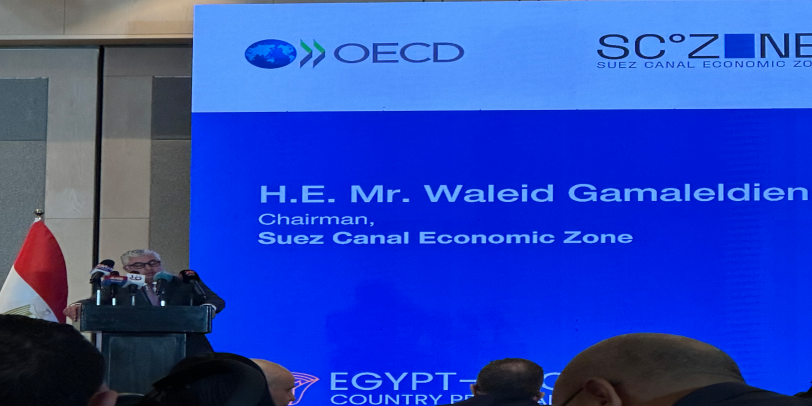
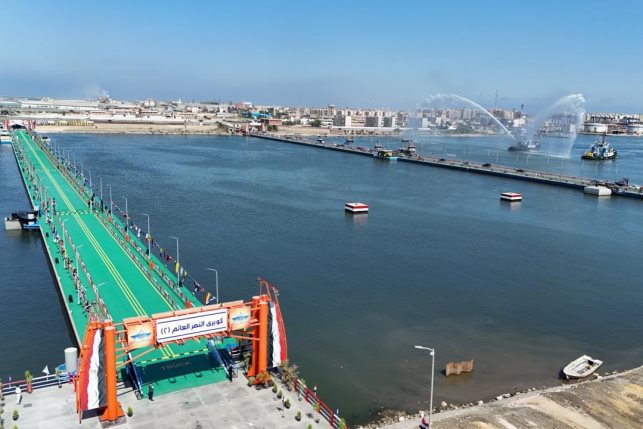
The Suez Canal Economic Zone has attracted around $16 billion in investments over the past four years, a sharp increase from about $2 billion in earlier periods, its chairman Walid Gamal El-Din said.
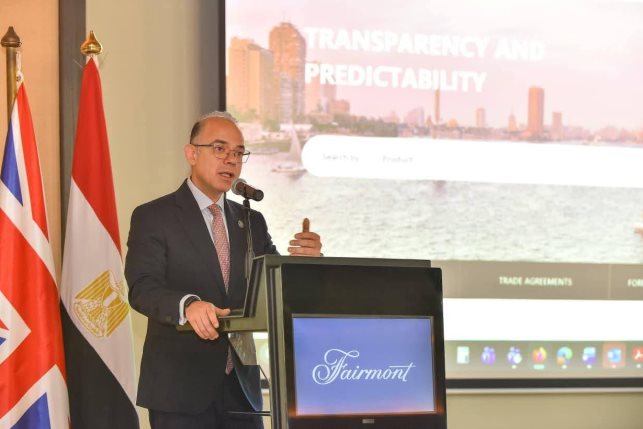
Speaking at a roundtable during a high-level roundtable organized in cooperation with the Organisation for Economic Co-operation and Development (OECD) and the Suez Canal Economic Zone Authority, Gamal El-Din said the zone’s recent progress reflects years of reforms launched since 2015, with 2025 marking a “harvest year” for those efforts.
He noted that more than 160 factories and projects have been established across ports and industrial zones since the development program began, highlighting the accelerating pace of industrial and investment activity.
The chairman said investments secured since the start of the current year have already reached around $6 billion, with expectations of further increases by June, supported by new agreements and projects currently under negotiation.
Gamal El-Din added that international partnerships, particularly with the Organisation for Economic Co-operation and Development, alongside strong government support, have played a key role in advancing reforms and strengthening the zone’s investment environment.
He said these developments have helped position the SCZone as a competitive hub for industry, logistics, and trade, enhancing its role as a regional center for global commerce and boosting investor confidence in the Egyptian market.
The SCZone has also made notable progress in operational performance, ranking among the top three globally in container terminal performance and first in the Middle East and Africa, according to Gamal El-Din.
He added that improved financial capacity has enabled the authority to contribute to financing infrastructure projects, supported by broader state-led infrastructure investments.
He added that the zone is targeting further expansion in green sectors and advanced industries, in line with Egypt’s broader push toward a more sustainable and competitive economic model.