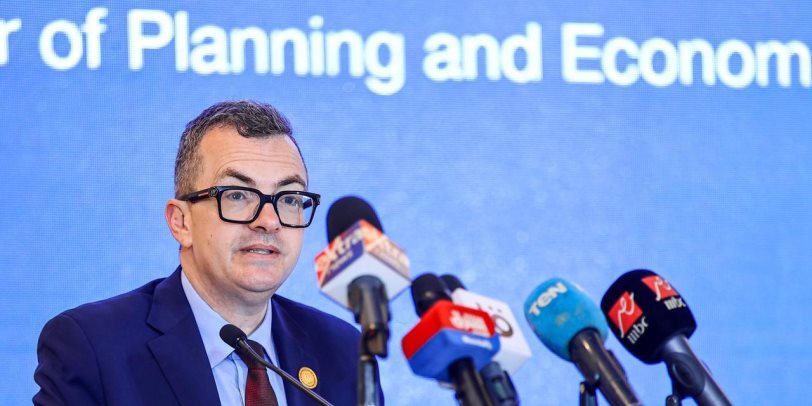
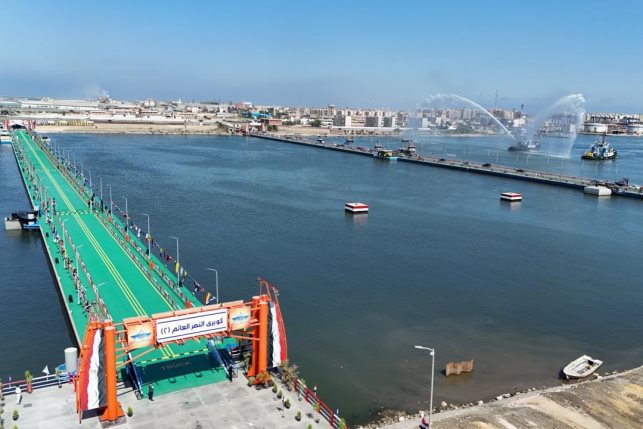
The Suez Canal Economic Zone (SCZone), which handles around 12% of global trade and 20% of global container traffic, is at the center of Egypt’s strategy to attract foreign investment and integrate into global value chains, Planning Minister Ahmed Rostom said.
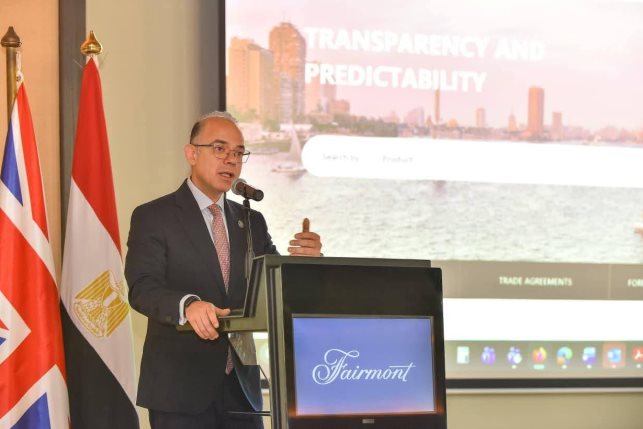
Rostom made the remarks during a high-level roundtable organized in cooperation with the Organisation for Economic Co-operation and Development (OECD) and the Suez Canal Economic Zone Authority, with the participation of government officials, international partners, and private sector representatives.
He highlighted that the SCZone currently comprises six ports and four industrial zones, supported by a unified digital investor services platform, positioning it as an integrated hub for manufacturing, logistics, and trade.
The minister also pointed to a strong recovery in canal activity following recent disruptions, with growth reaching 8.6% in the first quarter of the current fiscal year and accelerating to 24.2% in the second quarter.
Rostom said the government is focusing on diversifying supply chains and localizing production across key industrial sectors within the zone, while enhancing regional integration and boosting Egypt’s role in global trade flows.
He added that strengthening linkages between global investors and Egyptian companies is essential to increase productivity, facilitate technology transfer, and expand the participation of local firms in global supply chains.
The roundtable comes as part of the Egypt–OECD Country Programme, which has been extended through June 2026 and includes 35 projects covering economic reform, digital transformation, governance, and sustainable development.
Officials noted that the outcomes of the discussions are expected to help shape the next phase of cooperation, with a focus on attracting more foreign direct investment and reinforcing the SCZone’s position as a regional and global investment hub.