Egypt’s Financial Regulatory Authority (FRA) is set to introduce the first license for the use of a “digital identity,” also referred to as a “digital passport,” as part of efforts to accelerate digital transformation across non-banking financial activities.
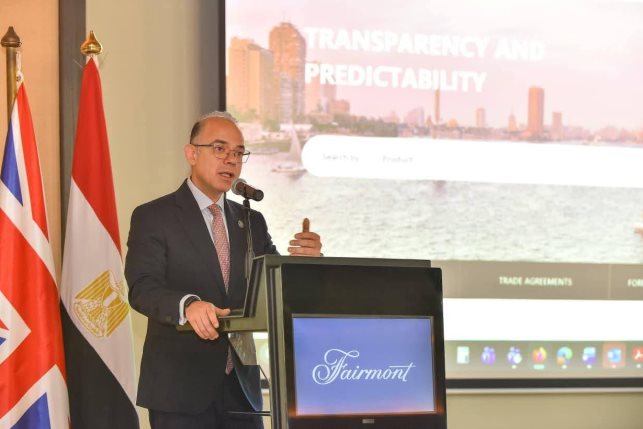
Ahmed Khalifa, Head of the Technology Lab at the FRA, said the concept of a digital passport is not linked to a traditional travel passport, but rather represents a verified digital identity for foreign users.This system enables electronic verification of personal data without the need for physical documentation.
Khalifa explained that the new mechanism is expected to facilitate foreign investors’ access to Egypt’s financial market, particularly in investment funds, by streamlining identity verification procedures and reducing reliance on traditional paperwork.
The implementation of the digital passport marks a significant shift in how identity is linked to non-banking financial services. It is set to reshape customer verification processes across sectors such as insurance, microfinance, and investment funds by replacing conventional documents with authenticated digital data.
The initiative is also expected to accelerate contracting and transaction processes, especially for foreign clients, allowing companies to deliver services remotely with greater efficiency, while enhancing the market’s ability to attract new investor segments.
Khalifa noted that the move will help simplify “Know Your Customer” (KYC) procedures, particularly in financing and insurance activities, improving user experience and reducing operational costs for firms.
He revealed that the FRA has received 30 proposals to join its regulatory sandbox environment, with several ideas undergoing initial evaluation. Four companies have already been selected to operate within the sandbox, focusing on fintech, insurance, and microfinance solutions.
In a related development, Khalifa highlighted a model enabling remote vehicle inspections using video technology, allowing damage assessments without the need for an on-site expert. The solution is expected to speed up procedures and lower costs, particularly in minor cases, and will receive a usage permit due to its connection to insurance activities.
He also pointed to a digital financial brokerage model within the microfinance sector, an activity that is legally recognized but not yet activated. The FRA is currently working on establishing the regulatory framework in preparation for issuing official licenses once testing is completed.
Additionally, a fourth model involves a digital insurance brokerage company offering online platforms to compare and market insurance policies, helping customers select the most suitable options more efficiently.